Spot a Lambo Guru Trading Scam: Protect Your Money
"In the digital age, the siren song of quick riches often leads unwary investors onto treacherous shoals. True financial wisdom lies not in chasing guaranteed returns, but in rigorous due diligence and a healthy skepticism towards those promising the moon." According to Investopedia, protecting your capital is paramount in any investment endeavor.
1. Introduction
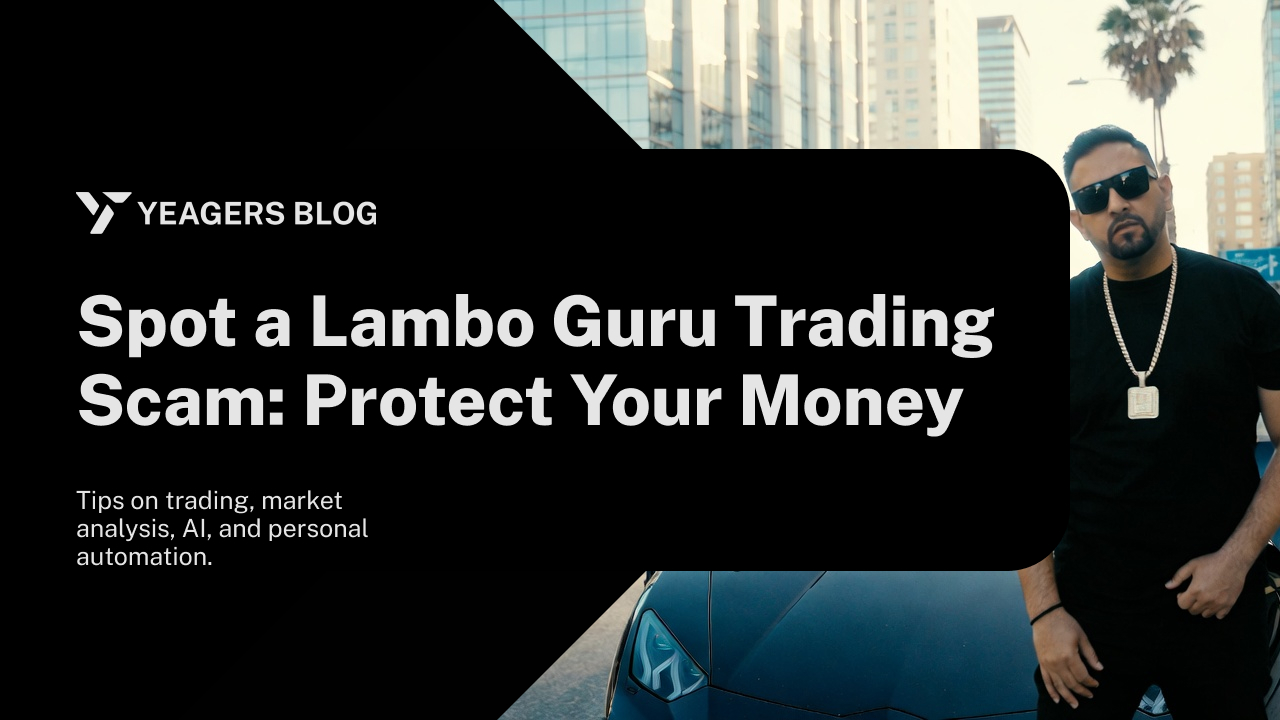
The dream of financial independence, a luxurious lifestyle, and limitless freedom is a powerful motivator. In the world of online trading, this dream is often packaged and sold by individuals who brand themselves as "Lambo Gurus" – self-proclaimed experts flaunting an ostentatious lifestyle financed, they claim, by their infallible trading strategies. With flashy cars, designer clothes, and exotic backdrops, these gurus paint an irresistible picture of success. However, beneath the surface of this dazzling facade often lies a carefully constructed scam designed to extract money from hopeful individuals. Navigating the treacherous waters of online trading requires sharp discernment and a critical eye, especially when confronted with promises that seem too good to be true. This comprehensive guide will equip you with the knowledge to identify and avoid common "Lambo Guru" trading scams, safeguarding your hard-earned money and steering clear of financial pitfalls.
2. The Allure of the "Lambo Guru" Lifestyle
The "Lambo Guru" phenomenon preys on fundamental human desires: the aspiration for wealth, status, and an escape from financial struggle. These individuals leverage social media platforms like Instagram, TikTok, and YouTube to showcase an opulent existence – private jets, luxury villas, and, of course, Lamborghinis – all attributed to their superior trading acumen. This visual spectacle creates a powerful emotional connection, making their claims of easy wealth appear credible and attainable. They position themselves as mentors who have unlocked the secrets to untold riches, offering to share these "secrets" with you, for a price.
The psychological impact is significant. Faced with their own financial challenges or a desire for a better life, many become susceptible to the narrative that these gurus possess exclusive knowledge. The perceived success of the guru can override rational thought, leading individuals to overlook obvious red flags in their desperation for a similar outcome. Understanding this psychological manipulation is the first step in building your defenses against potential scams.
3. Red Flags of a Trading Scam
Identifying a scam requires a keen eye for inconsistencies and a healthy dose of skepticism. While some legitimate educators exist, "Lambo Gurus" often exhibit several tell-tale signs that should immediately raise concerns.
-
Guaranteed Returns: Any individual or service promising consistent, high returns with little to no risk is almost certainly a scam. The financial markets are inherently unpredictable, and even the most seasoned professionals experience losses. Legitimate trading involves inherent risks, and actual educators emphasize risk management, not risk elimination. Be extremely wary of phrases like "guaranteed daily profits," "zero risk investment," or "we never lose."
-
Lack of Transparency: Scam artists thrive in obscurity. They will often present vague or complicated "strategies" that are difficult to verify. They might refuse to provide an auditable track record of their trades, or the track record they do provide will be unverifiable, manipulated, or only show winning trades. Legitimate traders are transparent about their methodologies, their wins, and their losses, often sharing detailed performance data.
-
Pressure Tactics and Urgency: Scammers frequently employ high-pressure sales tactics to rush you into making a decision before you have time to conduct proper due diligence. Phrases like "limited spots available," "price goes up tomorrow," or "exclusive one-time offer" are common. They want to prevent you from thinking critically or seeking independent advice. Genuine opportunities rarely require such immediate commitment.
-
Extravagant Lifestyle as "Proof": While successful traders can certainly afford luxury, "Lambo Gurus" primarily use their lavish lifestyle as the core evidence of their expertise, rather than actual trading results or robust educational content. The focus is on showing off wealth, not on demonstrating skill or offering verifiable value. This display is often funded by the money they take from their students, not from their trading profits.
-
Overpriced and Generic Memberships/Courses: Many gurus charge exorbitant fees for "exclusive" trading courses, signals, or community access. Upon purchase, the content often turns out to be generic, readily available information that can be found for free or at a much lower cost elsewhere. The "secrets" promised are usually basic concepts repackaged as groundbreaking insights, lacking depth or actionable strategies that consistently generate profit.
-
Referral Schemes and Multi-Level Marketing (MLM): A significant red flag is when a guru heavily incentivizes you to recruit new members into their program. If a substantial portion of their income (or your potential income) comes from commissions earned by signing up others, it strongly resembles a pyramid scheme. The focus shifts from trading education to network building, indicating a flawed or fraudulent core business model.
-
Unrealistic "Get Rich Quick" Promises: Any program or individual promising that you can quit your job in a few weeks, turn a small amount into a fortune overnight, or become a millionaire by following a few simple steps is peddling a "get rich quick" fantasy. Real wealth creation, especially through trading, requires skill, discipline, patience, and often significant capital and time.
-
Aggressive Online Presence and Suppression of Criticism: Scammers often have a highly curated online presence where critical comments or negative reviews are swiftly deleted or aggressively challenged. A lack of balanced reviews, an abundance of overly positive (and often suspiciously similar) testimonials, and an inability to find any negative feedback are suspicious. Legitimate businesses and educators accept constructive criticism and have a more balanced online footprint.
4. How Legitimate Trading Education Differs
In contrast to the superficiality of "Lambo Gurus," credible trading educators and platforms operate on principles of realism, transparency, and genuine skill development. They understand that successful trading is a journey, not a shortcut.
Focus on Risk Management
A hallmark of legitimate education is a heavy emphasis on risk management. They teach you how to protect your capital, understand position sizing, set stop-losses, and develop a trading plan that accounts for losses as an inevitable part of the process. They don't promise to eliminate risk but rather to manage it effectively.
Realistic Expectations
Reputable educators set realistic expectations. They explain that trading requires dedication, continuous learning, and that profits are not guaranteed. They often encourage starting with small amounts and demo accounts to gain experience before committing significant capital.
Transparency and Verifiable Results
Legitimate educators are transparent about their own trading performance and methodologies. They may share verifiable track records (often from regulated brokers), detail their strategies, and explain the rationale behind their trades. They don't hide behind flashy images but rather demonstrate their expertise through consistent, measurable results.
Community and Support
Genuine trading communities foster an environment of shared learning, support, and constructive feedback. Members discuss strategies, analyze trades, and help each other improve, rather than just being a recruitment pool for the guru. The focus is on collective growth and practical application of knowledge.
5. Protecting Your Investments
Safeguarding your money from trading scams requires proactive measures and a commitment to independent verification.
Conduct Thorough Due Diligence
Before investing any money or enrolling in any program, research extensively. Look for independent reviews, check regulatory bodies (if applicable), and try to find information from unbiased sources. Don't rely solely on testimonials presented by the guru themselves. Search for their name followed by "scam," "review," or "complaint."
Start Small and Educate Yourself
If you're new to trading, begin with a small, manageable amount you can afford to lose. Utilize free resources, books, and reputable educational platforms to build a foundational understanding. Don't feel pressured to buy expensive courses immediately. The best investment is in your own financial literacy.
Seek Independent Financial Advice
Consult with a licensed financial advisor who has no affiliation with the guru or program you're considering. They can offer an unbiased perspective on the legitimacy of the claims and whether the "opportunity" aligns with your financial goals and risk tolerance.
Report Suspicious Activity
If you encounter what you believe to be a trading scam, report it to the relevant financial authorities in your country. This might include the Securities and Exchange Commission (SEC), Financial Industry Regulatory Authority (FINRA), or your local consumer protection agency. Reporting helps protect others from falling victim to similar schemes.
6. Conclusion
The allure of quick wealth can be incredibly powerful, especially in an era where social media bombards us with images of unattainable luxury. However, the path to legitimate financial growth through trading is paved with education, discipline, and a healthy dose of skepticism, not flashy cars and empty promises. By understanding the common tactics employed by "Lambo Gurus" and recognizing the red flags of a trading scam, you can empower yourself to make informed decisions and protect your hard-earned money. Always remember: if an offer seems too good to be true, it almost certainly is. Prioritize genuine education, transparency, and rigorous due diligence to build a sustainable and secure financial future.
Keep reading