Don't Fall for a Trading Course Scam! Protect Your Cash.
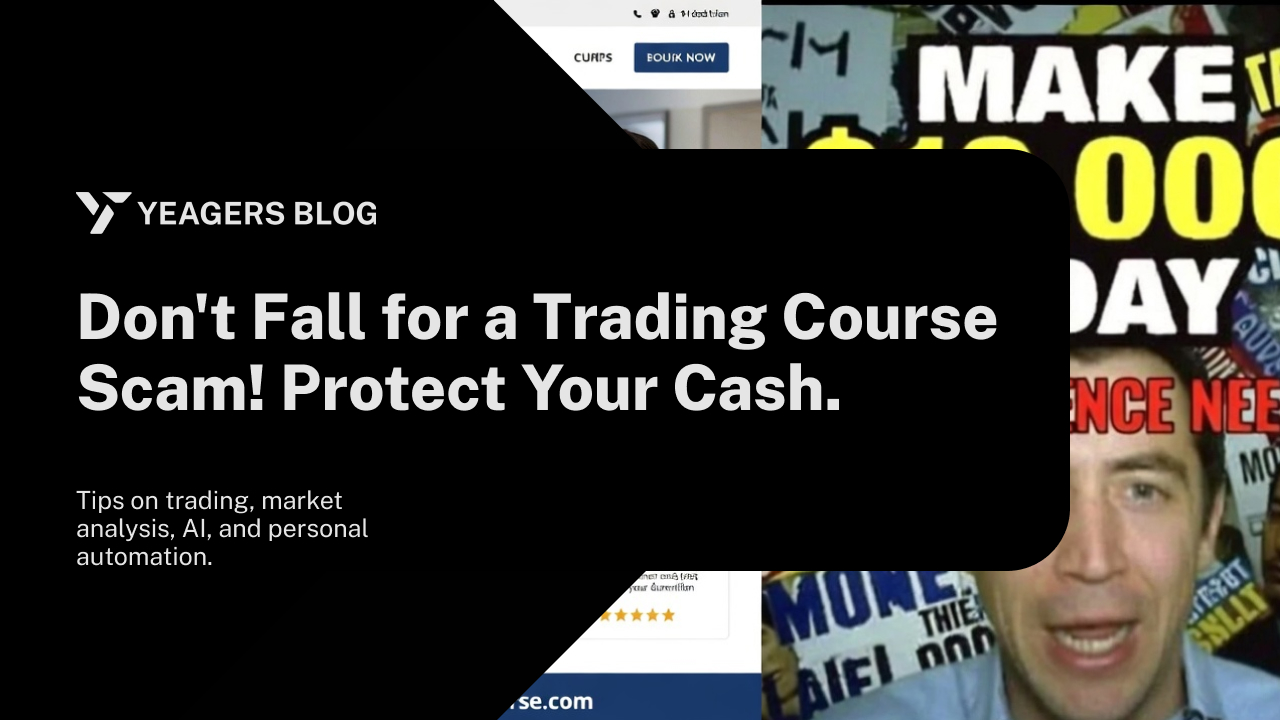
"In the digital age, the siren song of quick riches through trading can be incredibly alluring, yet the path is often fraught with peril. It's crucial for aspiring traders to differentiate between genuine education and predatory schemes, as even the most sophisticated individuals can be ensnared by promises too good to be true," according to Investopedia. "Vigilance and a commitment to independent research are your strongest shields against those who seek to profit from your financial aspirations."
1. Introduction
The allure of trading financial markets—be it stocks, forex, cryptocurrencies, or commodities—is undeniable. The promise of financial independence, working from anywhere, and generating substantial income often draws individuals into the world of online trading. With this growing interest comes an explosion of "expert" trading courses, promising to unlock the secrets of the market and turn novices into profitable traders overnight. While genuine educational resources exist, the landscape is unfortunately riddled with sophisticated scams designed to fleece unsuspecting individuals of their hard-earned money. Protecting your cash from these fraudulent schemes requires a keen eye, healthy skepticism, and a solid understanding of what legitimate financial education truly entails. This post will equip you with the knowledge to identify, avoid, and report trading course scams, ensuring your journey into trading is built on a foundation of genuine learning, not false promises.
2. The Lure Of Trading Courses
The magnetic appeal of trading courses stems from several psychological and financial desires that scammers expertly exploit. Understanding these underlying motivations is the first step in building your defenses.
The promise of quick riches
Many people are drawn to trading with the hope of escaping the traditional 9-to-5 grind or supplementing their income significantly. Scam artists capitalize on this desire, showcasing extravagant lifestyles—luxury cars, mansions, exotic vacations—all supposedly funded by their "secret" trading strategies. They paint a picture of effortless wealth, suggesting that their course holds the key to unlocking this dream in a matter of weeks or months. This vision of instant financial freedom is incredibly powerful, overshadowing the realities of market volatility, risk, and the immense dedication required for consistent success.
The illusion of expertise
For newcomers, the financial markets can appear complex and intimidating. A trading course marketed by a supposed "guru" offers the comforting illusion of simplified knowledge and a direct path to understanding. These gurus often present themselves as exclusive gatekeepers to profitable strategies, implying that without their specific insights, success is impossible. This creates a dependency, making aspiring traders believe they need this particular course to navigate the markets safely and profitably, rather than fostering independent thought and critical analysis.
3. Red Flags Of A Scam Trading Course
Identifying a fraudulent trading course before you commit your money is crucial. Scammers often employ similar tactics, and recognizing these red flags can save you from significant financial loss and emotional distress.
-
Unrealistic claims: Be highly skeptical of any course that promises guaranteed returns, "get rich quick" schemes, or depicts trading as an effortless path to wealth. Legitimate trading involves risk, and even the most experienced traders experience losses. Promises of doubling your money in days or weeks are classic scam indicators.
-
High-pressure sales tactics: Scammers often use urgency to prevent you from doing proper research. This might involve "limited-time offers," "only X spots left," or aggressive sales calls pushing you to sign up immediately. Legitimate educators encourage due diligence, while scammers fear it.
-
Lack of verifiable track record: A genuine trading educator should be able to provide a verifiable track record of their own trading performance, ideally audited by a reputable third party. Scammers often display simulated results, heavily edited screenshots of profits, or vague testimonials without concrete proof of their success. If they refuse to show real, audited statements, walk away.
-
Opaque methodologies: Be wary of courses that keep their trading strategies overly secret, claiming proprietary algorithms or "black box" systems that cannot be explained. A good course should teach you the underlying principles, analysis techniques, and risk management strategies, empowering you to understand why trades are made, not just what trades to make.
-
Emphasis on lifestyle over learning: If a course heavily features images or videos of luxury cars, private jets, or mansions, and talks more about the "trader lifestyle" than the actual content of the education, it's a huge red flag. This tactic aims to sell an aspiration rather than genuine knowledge, distracting you from the lack of substance.
-
Guaranteed returns: No investment, especially in volatile markets like trading, can guarantee returns. Anyone promising zero risk or guaranteed profits is either misinformed or, more likely, attempting to defraud you. This is a fundamental principle of financial markets.
-
Free but worthless content: Some scams start with seemingly free webinars or e-books that offer vague, generic advice. Their true purpose is to funnel you into a much more expensive, often useless, paid course through upselling and psychological manipulation. The free content serves as bait, not as a valuable educational tool.
4. How To Vet A Trading Course Legitmately
When exploring trading education, diligent research and a systematic approach are essential to distinguish legitimate opportunities from scams. Protect your cash by following these crucial steps.
Research the instructor's background
Investigate the individual or institution behind the course. Look for credible professional experience, academic qualifications, and a public profile that extends beyond just promoting the course. Do they have a consistent track record of teaching, publishing, or speaking at reputable financial events? Check their LinkedIn profile, personal websites, and any news articles or interviews. Be wary if their online presence is solely dedicated to selling their course with little other verifiable professional history.
Look for unbiased reviews
Don't rely solely on testimonials posted on the course's own website, as these can easily be faked or cherry-picked. Search for independent reviews on platforms like Trustpilot, Reddit (specific trading subreddits), YouTube, and industry forums. Pay attention to consistent complaints about lack of support, poor content, or non-delivery of promised features. Also, look for signs of astroturfing (fake positive reviews). A lack of any independent reviews can also be a red flag.
Understand the curriculum
Before committing, scrutinize the course curriculum. Does it cover fundamental concepts like market structure, technical analysis, fundamental analysis, risk management, trading psychology, and developing a trading plan? A comprehensive course should clearly outline its learning objectives and what skills you will acquire. Be skeptical of courses that are vague about their content or claim to teach "secret" methods without explaining the underlying principles. A good course focuses on teaching you how to learn and how to think like a trader, not just providing trade signals.
Check for transparent pricing
Legitimate courses will have clear, upfront pricing without hidden fees or constant upsells to increasingly expensive "mastermind" programs. Be wary of multi-tiered pricing structures that pressure you into higher levels for essential information or "exclusive" access. Transparency in pricing reflects honesty in the educational offering.
Seek community engagement
A reputable trading course often fosters a community where students can interact, share ideas, and receive support. This might be through forums, Discord channels, or live Q&A sessions. Observe the quality of interaction and the responsiveness of instructors or mentors. A lack of community, or a community filled with overly enthusiastic, uncritical praise, can be a warning sign.
5. Building A Solid Foundation In Trading
Beyond avoiding scams, the best way to protect your cash and ensure long-term success in trading is to build a robust foundation through legitimate learning and disciplined practice.
Self-education and reputable resources
Many of the foundational principles of trading can be learned for free or at low cost. Start with reputable books on trading, finance, and economics. Explore free educational content from established financial institutions, universities, and well-known financial news outlets. Websites like Investopedia, Babypips (for forex), and reputable brokerage firms offer extensive free learning materials. Focus on understanding market mechanics, terminology, charting, and basic analytical methods before considering any paid course.
Start with a demo account
Never trade with real money until you have a solid understanding of your chosen market and have extensively practiced your strategy on a demo (paper trading) account. A demo account allows you to simulate real trading conditions without risking capital. This practice period is invaluable for testing strategies, understanding order execution, and getting comfortable with the trading platform. It helps bridge the gap between theoretical knowledge and practical application.
Prioritize risk management
This is arguably the most critical aspect of successful trading and a key differentiator between legitimate education and scam courses. A good course will heavily emphasize risk management, teaching you how to protect your capital, size your positions appropriately, set stop-losses, and never risk more than a small percentage of your trading capital on any single trade. If a course downplays risk or encourages aggressive strategies, it's a huge red flag. Protecting your cash ultimately means understanding and controlling your exposure to loss.
6. What To Do If You've Been Scammed
If you suspect you've fallen victim to a trading course scam, immediate action is necessary to potentially recover your funds and prevent further damage. Document everything: communication logs, payment receipts, course materials, and any advertising. Contact your bank or credit card company immediately to report the fraud and attempt a chargeback. File a complaint with relevant regulatory bodies in your country, such as the Federal Trade Commission (FTC) in the U.S., the Financial Conduct Authority (FCA) in the UK, or local consumer protection agencies. Reporting these scams helps authorities track down perpetrators and warns others.
7. Conclusion
The world of online trading offers exciting opportunities, but it's also a fertile ground for scams. The key to protecting your cash and pursuing your trading aspirations safely lies in education, critical thinking, and unwavering skepticism. Remember that genuine financial education emphasizes risk management, realistic expectations, and hard work, not instant riches or secret formulas. By understanding the common red flags, diligently vetting potential courses, and focusing on building a solid foundation through reputable resources and disciplined practice, you can navigate the complex financial markets confidently and avoid falling prey to fraudulent trading course schemes. Your financial future is too important to leave to chance or the empty promises of a scammer.
Keep reading